Finding termites is unsettling, but it's manageable. The most important thing right now is to leave the area undisturbed and give us a call and we'll walk you through the next steps.
Call 0422 334 204Brisbane & Sunshine Coast. Leave a message and we'll call you back
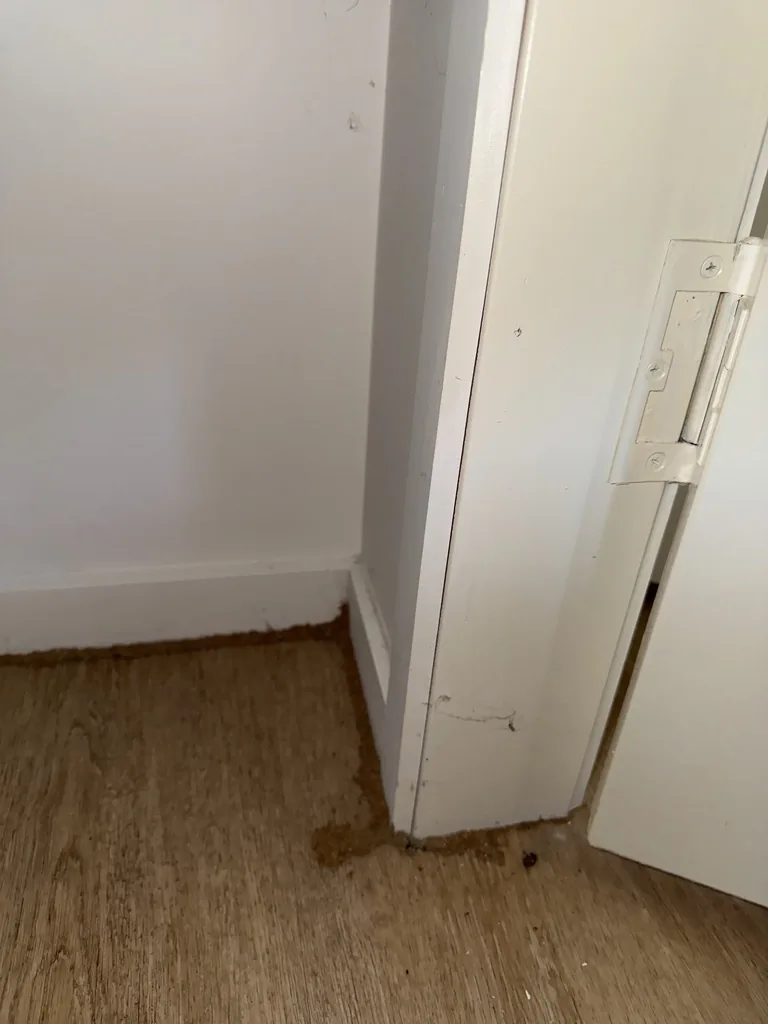
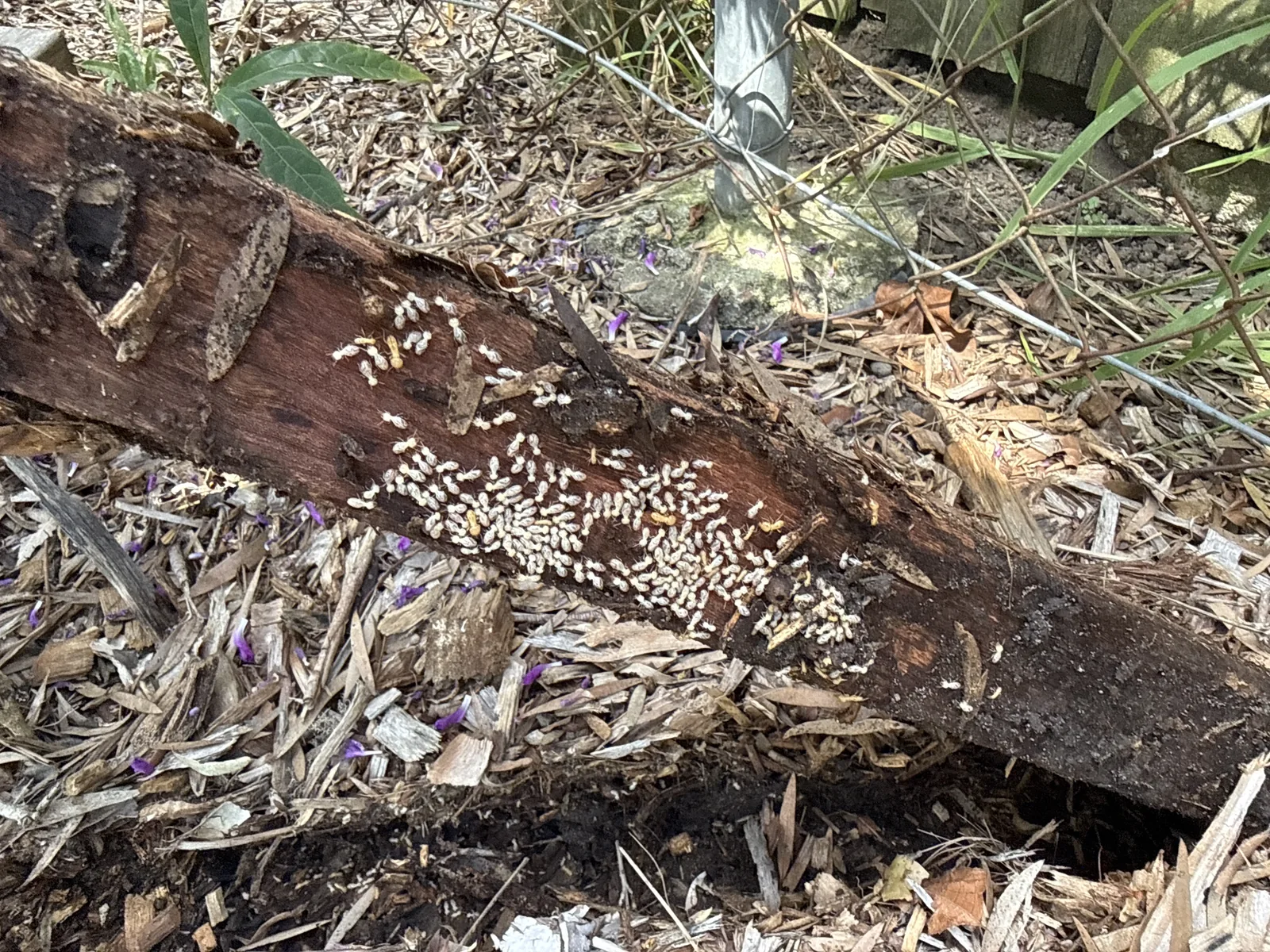
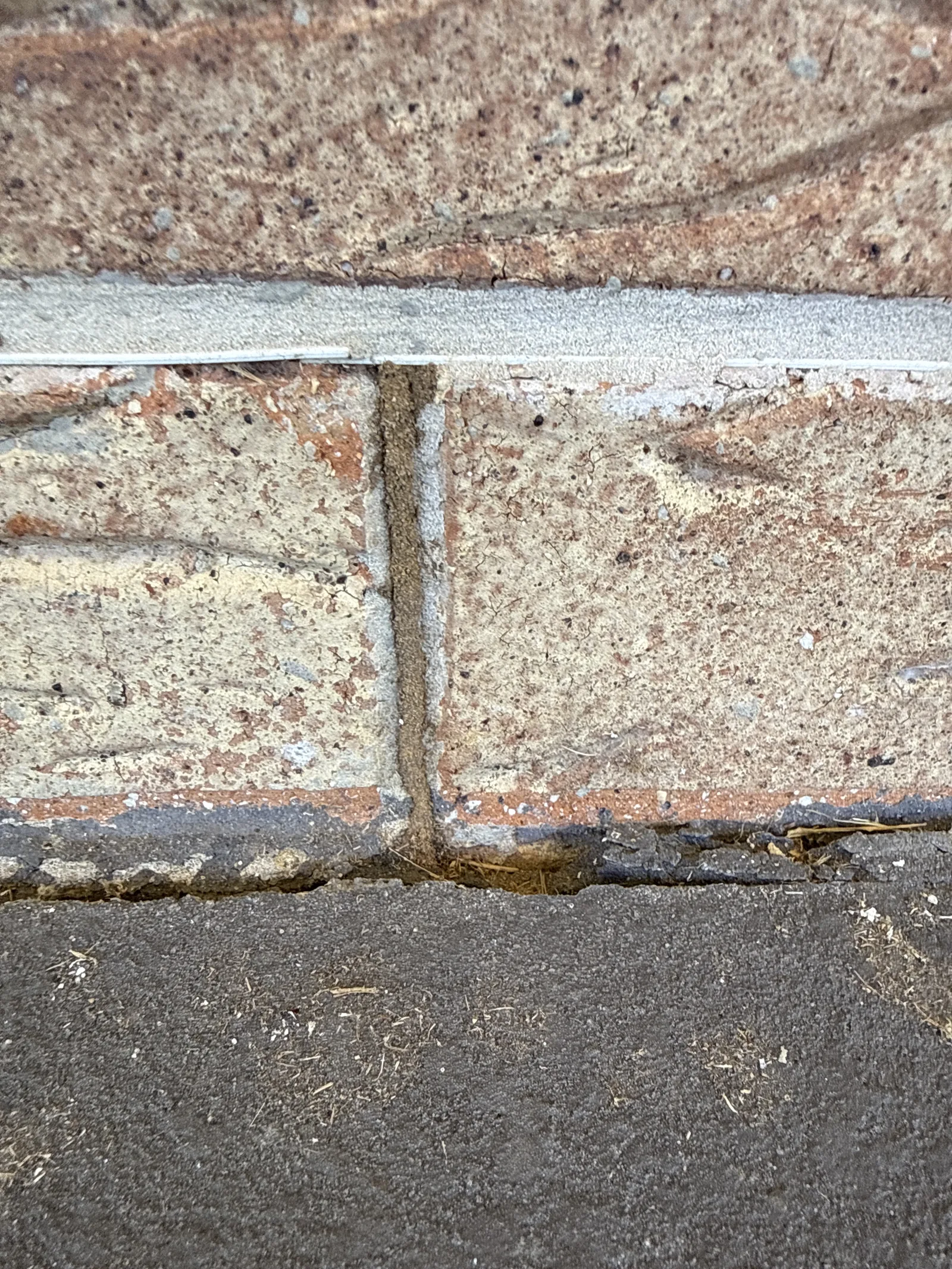
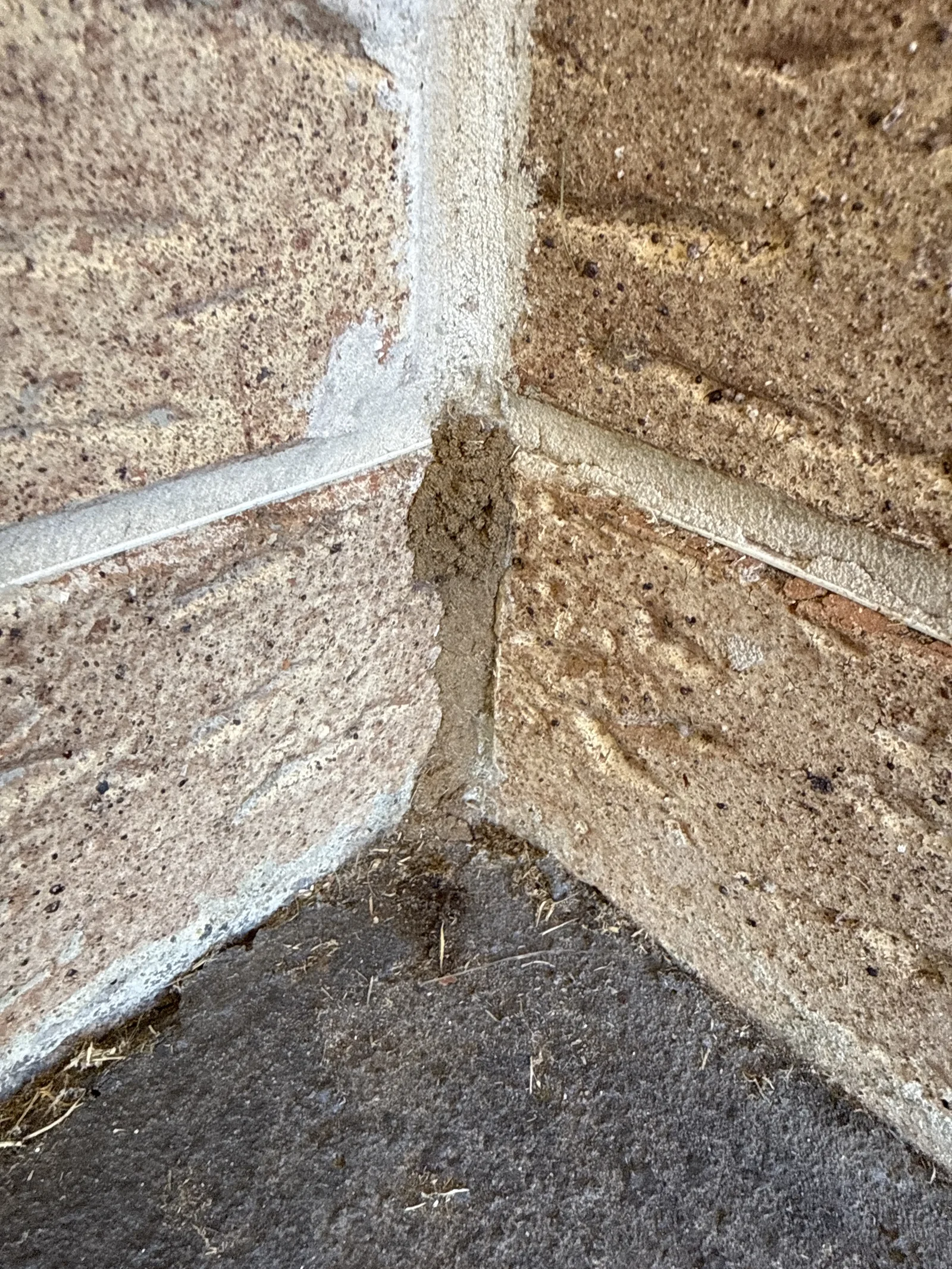
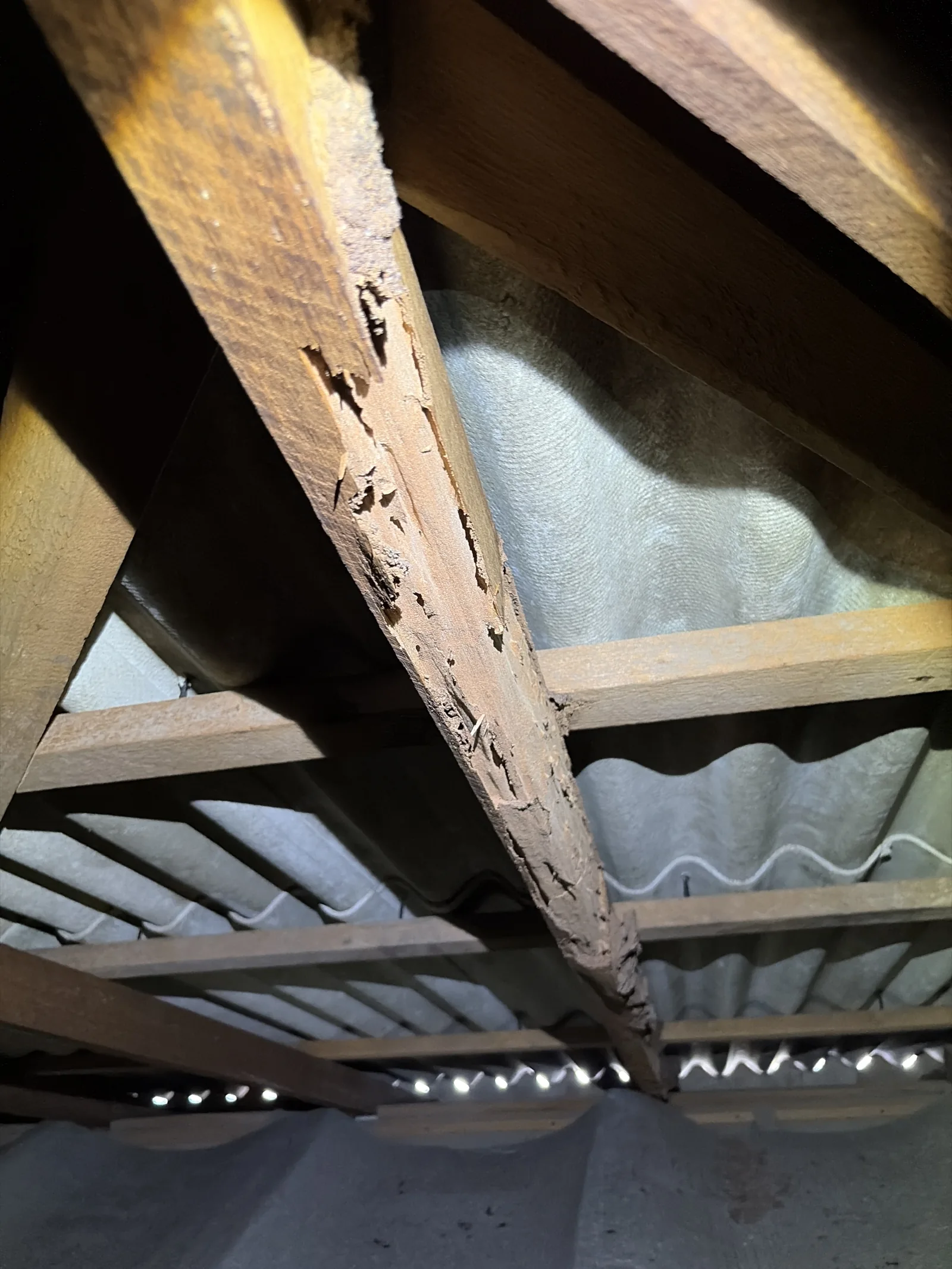
Real photos from actual jobs. These are the signs we look for during every inspection.
These are the most common mistakes that make termite treatment more difficult and more expensive. All three are easy to avoid.
There are four constructive actions you can take while waiting for an inspection. Everything else should wait until we've assessed the situation.
Don't touch the mud tunnels, galleries, or any visible workings. The less disruption before we arrive, the better our chances of locating and treating the colony effectively.
Keep family and pets away from the affected area. Not for safety reasons — termites aren't dangerous to people or animals — but foot traffic and vibration near active workings can cause the colony to retreat.
The sooner we can get out there, the more options we have for treatment. We'll book you in as quickly as possible and walk you through what to expect.
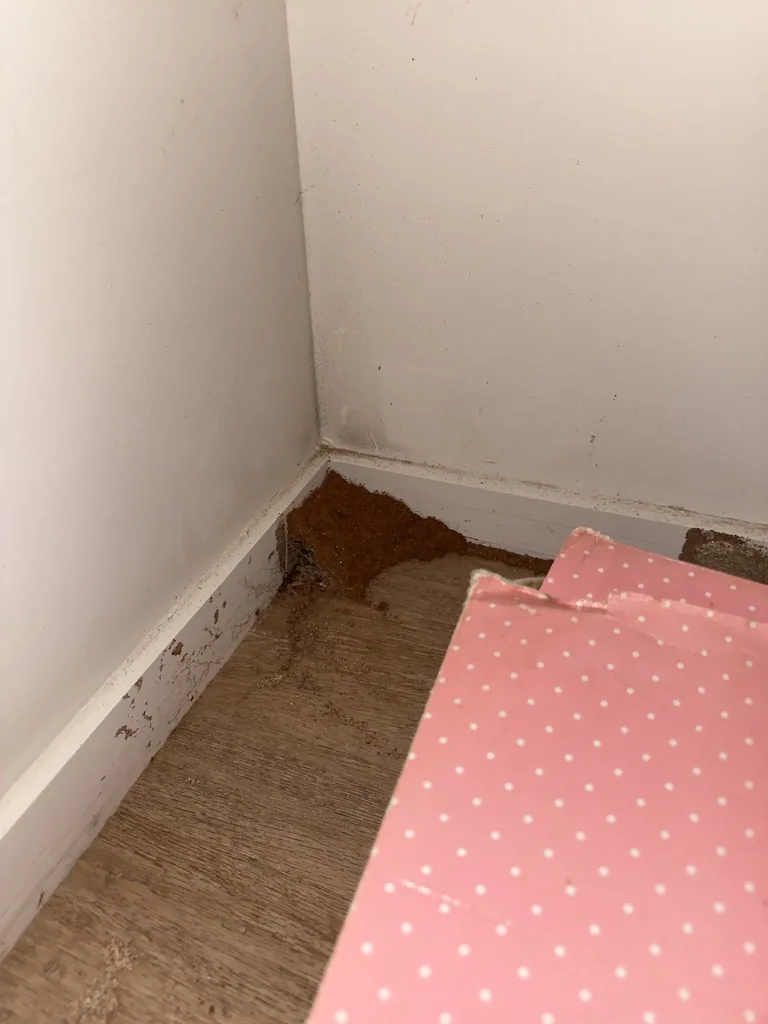
It's one of the most common things we see, and it's worth understanding why it causes problems.
Subterranean termites respond to repellent chemicals by retreating. When workers detect a repellent spray, the colony moves away from the exposed area — deeper into the wall, under the slab, or into another part of the structure. The active trail disappears.
That active trail is what we use to target treatment effectively. When it's gone, we're working with less information. It doesn't mean treatment is impossible — it just means it takes more time and effort to locate the colony again.
If this has already happened, just let us know when you call. We've dealt with it plenty of times and we'll work with whatever we find on site.
From the moment you call to colony elimination: here's the sequence.
Not all termites cause the same level of structural risk. Identifying the species on site informs the urgency and type of treatment required.
The most structurally destructive termite species in Australia and the most common in SEQ. Colonies can exceed one million workers. They construct hidden galleries inside timber, including floors, walls, and roof framing, consuming cellulose while leaving the surface intact. Immediate treatment is required.
Highly aggressive and capable of significant structural damage. Characterised by distinctive large headed soldiers alongside small headed soldiers in the same colony. Often found in stumps, posts, and wall framing. Requires the same urgency of treatment as Coptotermes.
Typically attacks dead or decaying timber rather than sound structural timber. Characterised by distinctive grey brown mud galleries on external surfaces. Still requires inspection and treatment, but structural risk to sound structural timber is lower than Coptotermes infestations.
Not common in Brisbane metro but present in peri urban and rural areas. The most primitive and destructive termite in Australia. Attacks virtually any cellulose containing material including plastics and rubber. If identified, treat immediately. This is a high priority species.
From homeowners across Brisbane and the Sunshine Coast.
"From the moment I booked my termite barrier refill with Sunnystate their communication has been outstanding — confirmations, updates, and follow ups. Add their prompt service and arriving on time and you will put Sunnystate at the top of your list."
"We have had pest control carried out at our home and just had a termite barrier installed by Sunnystate. We were very impressed — prompt, pleasant, efficient and great to deal with. The termite barrier work was a sizeable job and everything was spotless when they completed the work."
"I highly recommend Sunnystate Pest Control. They installed a termite barrier at our home and we have also used them several times for general pest control. Every time we deal with them, they are professional, efficient, knowledgeable, friendly and helpful."
"Have used Sunnystate many times over the years and again this year they delivered on quality, service and price at both properties. Highly recommend!"
"Prompt and efficient service conducting a termite inspection. Certainly recommend Sunnystate Pest Control & Termite Management."
"Sunnystate setup the termite barrier system around our house. Work was complete on short notice, on time and of a high standard. Very happy with the product. I would highly recommend them for termite inspection and protection."
"We've had the team out for standard ant / spider sprays as well as a termite barrier installation and inspection. They were extremely thorough and responsive to all queries."
"From the moment I booked my termite barrier refill with Sunnystate their communication has been outstanding — confirmations, updates, and follow ups. Add their prompt service and arriving on time and you will put Sunnystate at the top of your list."
"We have had pest control carried out at our home and just had a termite barrier installed by Sunnystate. We were very impressed — prompt, pleasant, efficient and great to deal with. The termite barrier work was a sizeable job and everything was spotless when they completed the work."
"I highly recommend Sunnystate Pest Control. They installed a termite barrier at our home and we have also used them several times for general pest control. Every time we deal with them, they are professional, efficient, knowledgeable, friendly and helpful."
"Have used Sunnystate many times over the years and again this year they delivered on quality, service and price at both properties. Highly recommend!"
"Prompt and efficient service conducting a termite inspection. Certainly recommend Sunnystate Pest Control & Termite Management."
"Sunnystate setup the termite barrier system around our house. Work was complete on short notice, on time and of a high standard. Very happy with the product. I would highly recommend them for termite inspection and protection."
"We've had the team out for standard ant / spider sprays as well as a termite barrier installation and inspection. They were extremely thorough and responsive to all queries."
Call 0422 334 204 or send us a message and we'll call you back.